Not all mold is created equal, and if you’ve ever noticed spots on your walls, ceiling, or around damp areas, you may have wondered whether it’s just regular mold or the more dangerous black mold. Understanding the difference between black mold and other common household molds can help you take the right steps to protect your home and your health.
What Is Black Mold?
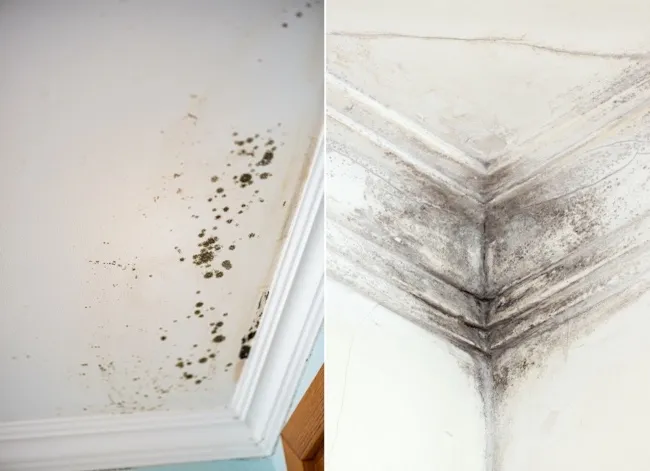
Black mold, or Stachybotrys chartarum, is one of the most feared types of mold due to its potential to release toxic compounds called mycotoxins. It typically appears dark green or black and has a slimy texture when wet. This type of mold thrives in consistently damp, humid areas—especially where there has been water damage or long-term moisture exposure. Common spots include behind drywall, under carpets, around leaky windows, and in basements.
What Is Regular Mold?
Regular mold refers to common indoor molds such as Cladosporium, Penicillium, and Aspergillus. These molds come in a variety of colors—white, gray, green, even orange—and can appear powdery or fuzzy. While most are not toxic like black mold, they can still trigger allergies, asthma symptoms, and cause damage to building materials. Regular mold often grows in places with mild to moderate moisture, such as bathrooms, kitchens, or window frames.
Health Risks: Black Mold vs. Regular Mold
Black mold is associated with more serious health effects because of its potential to produce mycotoxins. Exposure can cause chronic coughing, sneezing, eye irritation, fatigue, rashes, and even neurological symptoms in sensitive individuals. People with asthma, allergies, or weakened immune systems are especially at risk.
Regular mold can also cause health issues, but symptoms are typically less severe and more allergy-like, such as sneezing, nasal congestion, throat irritation, or skin itching. Regardless of the type, mold exposure should always be taken seriously.
Should You Be Worried?
Yes—whether it’s black mold or a common species, any visible mold in your home should be addressed quickly. It spreads fast, weakens structures, and degrades indoor air quality. The longer you wait, the harder and more expensive it becomes to remove.
If you notice musty odors, visible mold spots, or water damage in your home, it’s best to consult a professional. At MoldBuddy, we offer free mold assessments—just send us a few photos and fill out a short form. Our certified team will review your case and send you a fast, no-obligation quote within 24 hours.
Final Thoughts
While black mold poses higher health risks, regular mold can be just as harmful if left untreated. Don’t ignore the signs. If you suspect mold in your attic, bathroom, or anywhere else, take action early to keep your home and your family safe.