Your attic might be out of sight, but it shouldn’t be out of mind—especially when it comes to mold. Attics are one of the most common places for hidden mold growth due to poor ventilation, roof leaks, and trapped moisture. Left unchecked, attic mold can damage your home’s structure and impact your air quality.
So how do you know if mold is hiding above your head? Here are the top 5 warning signs to look for:
1. Musty or Damp Odors
One of the first signs of attic mold is a persistent, musty smell. Even if you can’t see the mold, that damp, earthy odor is a strong clue that mold is growing somewhere out of sight—often behind insulation or wood panels.
Tip: If the smell gets stronger after it rains or during humid weather, mold could be thriving in trapped moisture.
2. Discoloration on Wood or Insulation
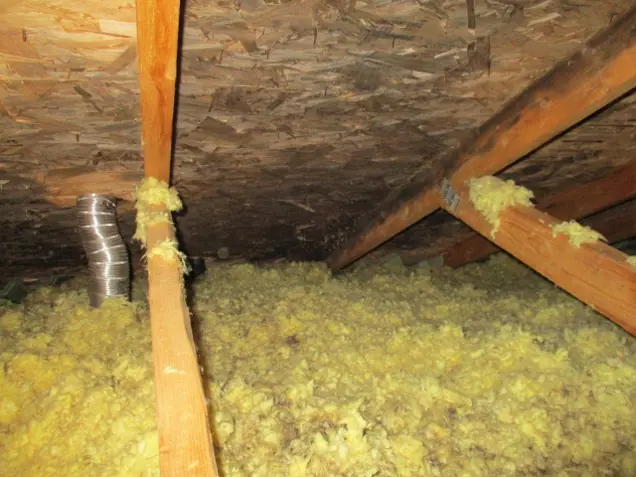
Take a quick look around your attic with a flashlight. Mold often appears as black, green, or white spots on wooden beams, plywood, or insulation. Even faint discoloration could indicate the early stages of mold growth, especially if the area is damp.
Watch out for: Grey streaks or soft, rotting areas in wood, which can be a sign of long-term mold exposure.
3. Roof Leaks or Moisture Stains
A leaky roof is a major cause of attic mold. If you notice water stains on the ceiling or find signs of water intrusion around roof vents, chimneys, or skylights, mold may already be growing behind the surfaces.
Don’t wait— mold can begin to form within 24 to 48 hours of a leak.
4. Poor Ventilation or Excess Humidity
Attics need proper airflow to stay dry. If your attic feels hot, humid, or stuffy, there’s a higher chance mold will develop. In winter, warm air from your home can rise and become trapped in a poorly ventilated attic, leading to condensation and mold growth on cold surfaces.
Check your attic: Are soffit or ridge vents blocked? That could be limiting airflow and creating the perfect environment for mold.
5. Health Symptoms at Home
If you or your family experience unexplained allergies, sneezing, coughing, or headaches that worsen at home, attic mold could be the hidden culprit. Mold spores can travel through your HVAC system or small gaps in the ceiling, affecting indoor air quality throughout the house.
Common symptoms include: sinus congestion, itchy eyes, or worsening asthma.
What to Do if You Suspect Attic Mold
If you notice any of these signs, it’s important not to ignore them. Mold can spread quickly and cause long-term damage to your home and health. At MoldBuddy, we offer free quotes within 24 hours—just send us a few photos and our certified team will handle the rest.